
How to Fix Premature Bevel Gear Failure From Alignment and Stiffness Issues
Bevel gears “look right” on the drawing—so why do they fail in months? When a bevel gear fails (pitting, vibration, excessive heat), the root cause is rarely the gear itself. It’s almost always systemic
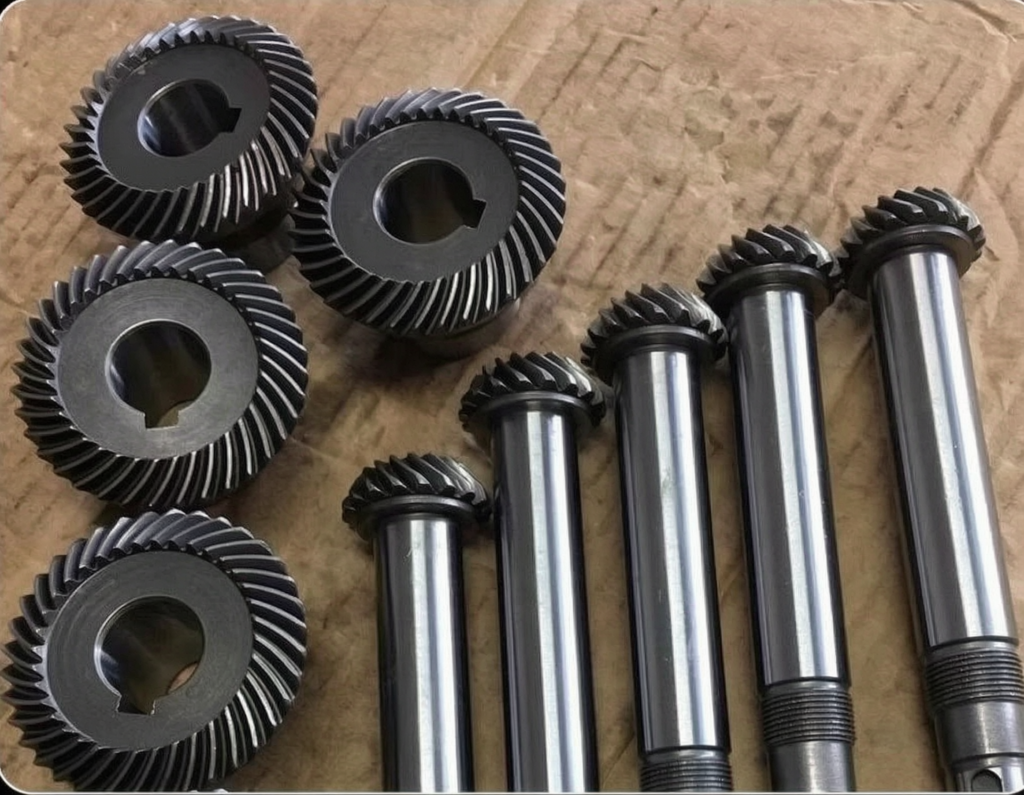
Many mechanical engineers face a confusing industry dilemma: bevel gears that meet all drawing specifications still suffer premature failure within just a few months of operation. Common failure symptoms including tooth pitting, abnormal vibration, and excessive overheating rarely stem from defective gear components themselves. Instead, nearly all short-term bevel gear failures result from overlooked systemic operational and installation errors.
Bevel gear geometry features zero tolerance for minor installation deviations. Tiny inaccuracies in mounting distance or shaft angle deviation will shift gear tooth contact to the tooth edge, causing uneven stress distribution and accelerated wear. Beyond geometric errors, system stiffness dominates actual gear meshing performance. Shafts, bearings, and equipment housing inevitably deflect under heavy operational loads, distorting the original tooth contact pattern and triggering persistent mechanical faults.
Backlash and bearing preload settings are also critical failure triggers. Overly tight backlash leads to severe friction, overheating, and tooth scuffing, while excessive looseness causes impact vibration, abnormal noise, and fatigue damage. The most reliable verification method is checking tooth contact patterns, with mandatory re-inspection after thermal soaking and full-load operation to simulate real working conditions.
Effective bevel gear troubleshooting abandons the wrong solution of replacing with stronger gears. The core fixes focus on three key systemic factors: precise shaft alignment, enhanced structural support stiffness, and stable lubrication delivery. Fixing these underlying issues completely eliminates recurrent premature bevel gear failure in industrial transmission systems.
#bevel gear failure, #premature bevel gear damage, #bevel gear pitting vibration, #bevel gear alignment issues, #gear mounting distance error